Crisis · Legal

Winning in the Bar of Public Opinion

Three cases tried twice — once in a courtroom, and then every day in public. GCW ran the media for the defense in all three, alongside counsel George Parnham and Paul Nugent, in the years when a verdict and a headline were decided by the same audience.

A jury hears the evidence once. The public hears the story every day.

By the time a high-profile case reaches a courtroom, most of the country has already reached a verdict from the coverage. That second venue has no rules of evidence, no instructions to the jury and no recess. It runs every day, and the people in it are the same people who will sit in the box, take the appeal, write the sentence, and decide afterwards what the case meant.

GCW has worked that venue for four decades — not by softening headlines, but by making sure the defense account, the medical record and the actual evidence are on the record in every news cycle, next to the version being told without them. Three of those cases are below. Each one changed something that a verdict alone would not have.

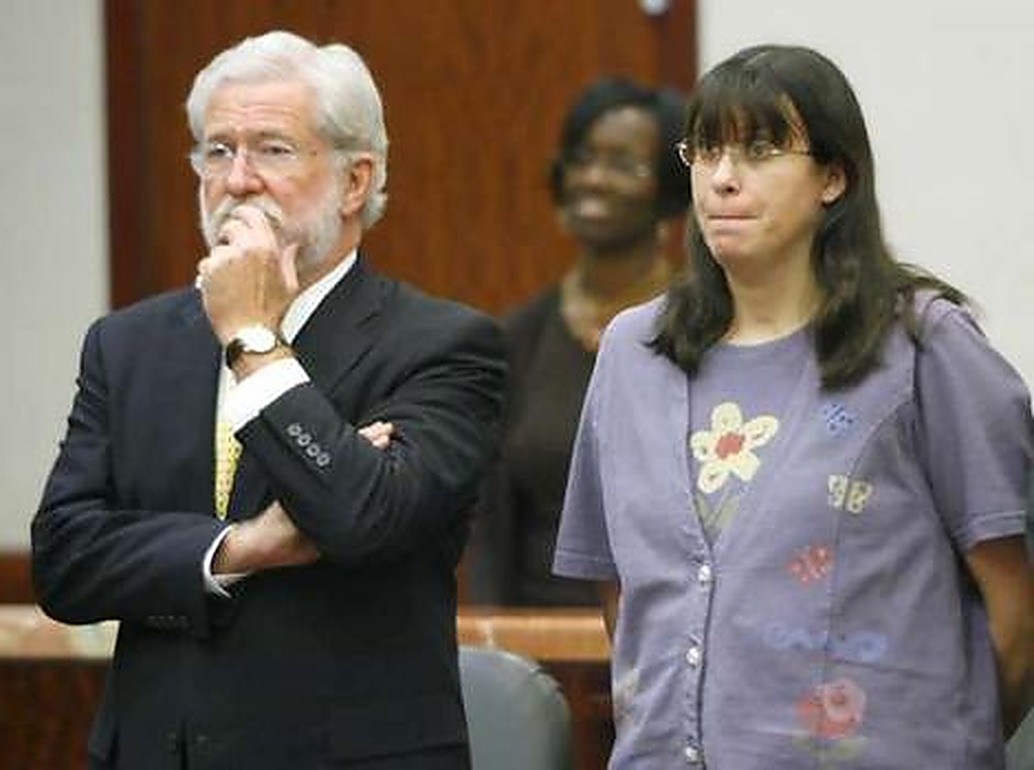
Andrea Yates
2001–2006 · two trials · with George Parnham

Andrea Yates

A story the country had already decided, and an illness it had never heard named.

The case arrived with the verdict written into the coverage. GCW ran the press operation through both trials — a daily briefing rhythm for a courthouse corps that ran to hundreds of credentialed reporters, clinicians made available on the record so that postpartum psychosis was explained rather than characterised, and counsel prepared for every filing and ruling on camera.

What it won

Not guilty by reason of insanity, 2006. And postpartum education programmes now in place at hospitals across the United States — an outcome that outlasted the verdict.
Read the full case study →
Kerry Max Cook
22 years on Death Row · three trials · with Paul Nugent

Kerry Max Cook

A wrongful conviction, and a fight for actual innocence that is still running.

Cook was convicted of a 1977 murder he did not commit and spent twenty-two years on Death Row across three trials. GCW built the campaign that carried his name and his argument against the death penalty out of the legal press and into the culture, and kept it there for years after his release.

What it won

Thousands of news clips. Robin Williams and Richard Dreyfuss portraying Cook and arguing his innocence. A HarperCollins memoir and the stage show The Exonerated built into the story.

Read the full case study →
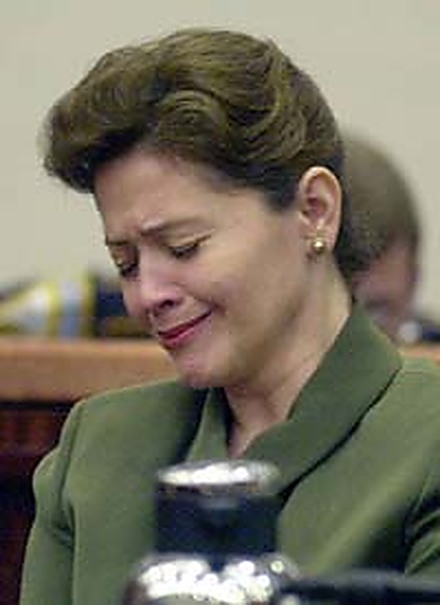
Clara Harris
2002–2003 · carried live on cable · with George Parnham

Clara Harris

The most heavily covered courtroom story of its year, and a charge that moved at sentencing.

The trial arrived with satellite trucks. GCW ran the media for the defense as structure rather than promotion: a published daily rhythm so reporters stopped chasing the family, background packets for people otherwise writing from the gallery, counsel available at every ruling, and a hard line held around the children.

What it won

A sudden-passion finding at sentencing against a prosecution case built on premeditation. ABC 20/20 spent six months on the defense’s own media operation. Harris was released in 2018, five years short of the original sentence.

Read the full case study →
The work

What running the bar of public opinion actually means.

A published daily rhythm

Reporters who know when they will be spoken to stop chasing the family, the neighbours and the children for it.

Expertise on the record

Clinicians and specialists made available for attribution, so the hard part of the story is explained by people qualified to explain it rather than characterised by commentators.

Counsel prepared, every time

Media and presentation training before every filing, ruling and verdict moment — on camera, in a story that never goes quiet.

The record in reporters’ hands

Background packets that put the filings and the evidence in front of people who would otherwise write from the gallery.

Lines that hold

Family members and children who are not a story, and are not going to become one.

Years, not news cycles

Yates ran ten years and two trials. Cook ran across three. This is a practice, not a campaign.

If a case, an investigation or an incident is about to be decided in public.

GCW has run the media in capital cases, government investigations, enforcement actions, workplace incidents and shareholder fights. The first conversation is confidential.

Let’s talk.

Thirty minutes, no deck. Tell us what’s broken and we’ll tell you what we’d do first.