Andrea Yates
In the case of Texas mother Andrea Yates, the court of public opinion was initially unyielding. GCW supported defence counsel George Parnham for over ten years and through two trials, and the story moved from perpetrator to patient.
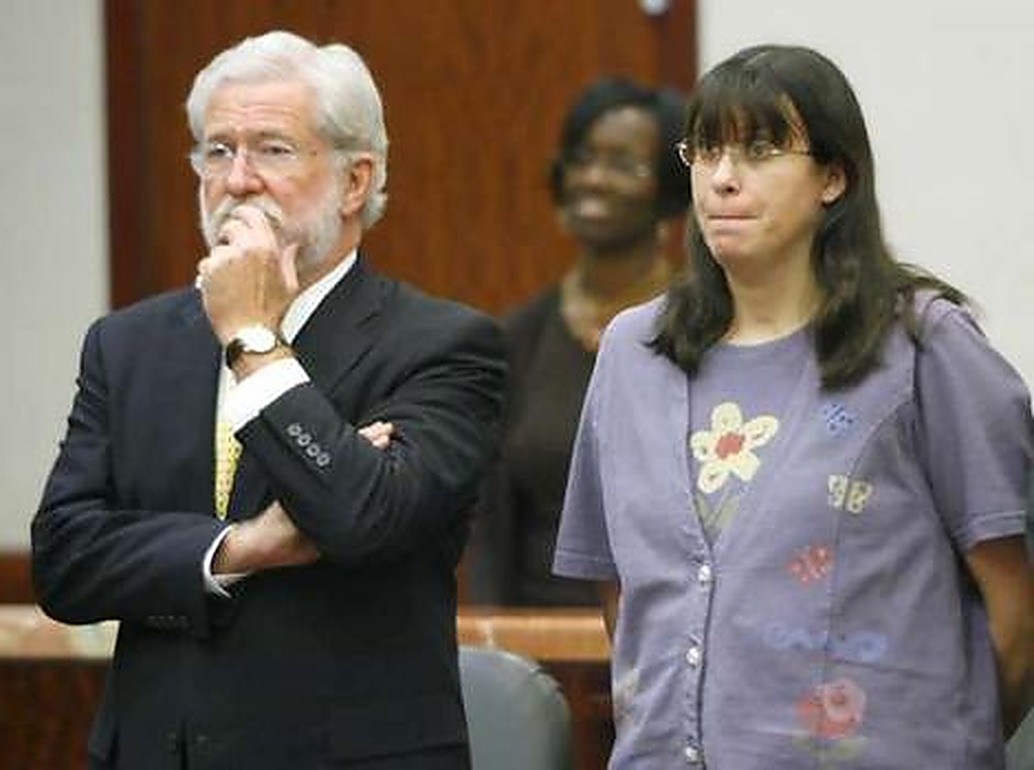
Defence attorney George Parnham faced the task of shifting perceptions by putting the severe postpartum depression and psychosis Yates suffered at the centre of the case — calling into question her understanding of right and wrong under the M'Naghten Rule and the irresistible impulse test for legal sanity.
That is a legal argument that only works if the public can follow it, and in 2001 postpartum psychosis was not a term American news audiences knew. GCW ran the media strategy for over ten years and through two trials, making the illness explicable rather than leaving it to be characterised.
Despite a conviction and life sentence at the first trial, the appeal — supported by that sustained media work — led to Yates being found not guilty by reason of insanity. She was consequently committed to a Texas state hospital.
The larger outcome sits outside the courtroom. The case reframed Andrea Yates in public view from perpetrator to patient, and precipitated the establishment of postpartum education programmes in hospitals across the United States — a significant evolution at the intersection of mental health awareness and criminal justice.
Results
- Ten years and two trials of sustained media strategy, ending in a verdict of not guilty by reason of insanity
- Postpartum psychosis explained in national coverage that had begun without the term
- Postpartum education programmes established in hospitals across the United States